
gmh2

A Complete Guide to SEO for Business Growth

📈 Introduction

In the digital era, having an online presence is not enough; businesses must ensure that their website is visible to potential customers. Search Engine Optimization (SEO) plays a vital role in improving website visibility and driving organic traffic. Growth Marketing Hub focuses on using SEO techniques along with data-driven strategies to help businesses grow effectively and achieve long-term success.

🌱 What is SEO?

Search Engine Optimization (SEO) is the process of improving a website’s ranking on search engines like Google. It involves optimizing content, using relevant keywords, improving website structure, and building quality backlinks. SEO helps businesses attract more visitors without paying for advertisements, making it a cost-effective marketing strategy.

💡 Importance of SEO in Growth Marketing

SEO is one of the most important components of growth marketing. It helps businesses reach their target audience at the right time when they are searching for products or services online. By improving search rankings, businesses can increase website traffic, build brand credibility, and generate more leads. SEO also supports other marketing strategies like content marketing and social media marketing.

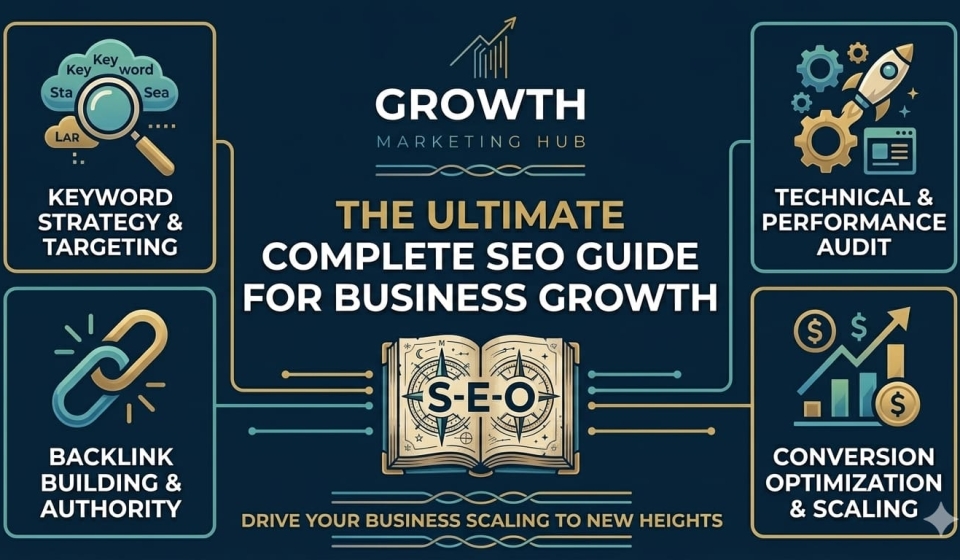
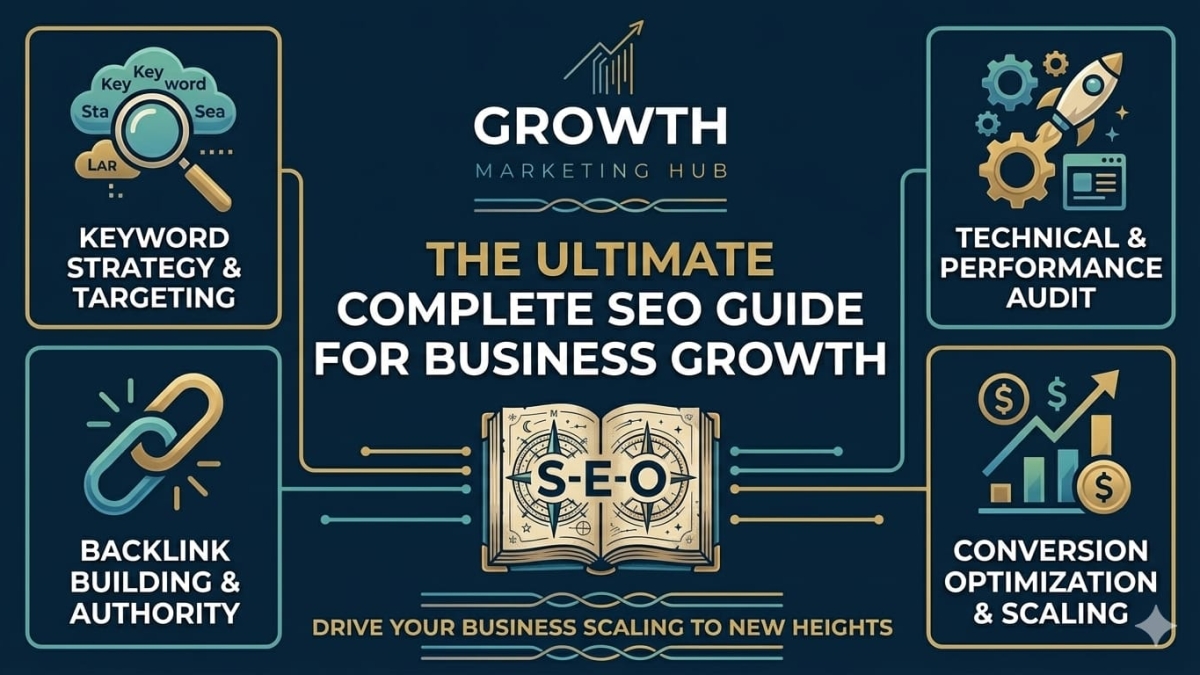
🔍 Key SEO Techniques

1. Keyword Research

Keyword research is the foundation of SEO. It involves identifying the words and phrases that users search for online. Using the right keywords in content helps search engines understand the website and rank it higher.

2. On-Page SEO

On-page SEO includes optimizing website elements such as titles, headings, meta descriptions, images, and content. Proper use of keywords and high-quality content improves user experience and search engine rankings.

3. Off-Page SEO

Off-page SEO focuses on building backlinks from other websites. High-quality backlinks increase the credibility and authority of a website, helping it rank better in search results.

4. Technical SEO

Technical SEO ensures that a website is fast, mobile-friendly, and easy to navigate. It includes improving website speed, fixing errors, and ensuring proper indexing by search engines.

🧪 Role of Content in SEO

Content plays a major role in SEO success. High-quality, informative, and engaging content attracts visitors and keeps them on the website for a longer time. Blogs, articles, and guides help in targeting different keywords and improving search rankings. Regularly updating content also signals search engines that the website is active and relevant.


🌍 Benefits of SEO for Business Growth

SEO offers several benefits to businesses. It increases organic traffic, reduces marketing costs, and improves brand visibility. It also helps in building trust among customers as higher-ranked websites are often considered more reliable. With effective SEO strategies, businesses can achieve long-term growth and stay ahead of competitors.

growth

Unlocking Scalable Business Growth

📈 Introduction

In today’s fast-changing digital world, businesses need smart and effective strategies to grow. Growth marketing is a modern approach that focuses on long-term success by combining creativity, data, and technology. Growth Marketing Hub is a platform that helps businesses achieve sustainable growth by using innovative marketing techniques and continuous improvement methods.

🌱 What is Growth Marketing?

Growth marketing is a strategy that goes beyond traditional marketing methods. It focuses on the entire customer journey, including attracting customers, engaging them, and retainingthem for the long term. Unlike traditional marketing, which mainly focuses on sales, growth marketing uses data analysis, testing, and customer feedback to improve performance at every stage. It involves continuous experimentation to find what works best for a business.

💡 Importance of Growth Marketing

Growth marketing plays an important role in today’s competitive market. It helps businesses understand customer behavior and make better decisions. By using data-driven strategies, companies can reduce costs and increase efficiency. Growth marketing also improves customer satisfaction by providing personalized experiences. As a result, businesses can build strong relationships with their customers and achieve long-term success.

🔍 Key Strategies of Growth Marketing

1. Content Marketing

Content marketing involves creating valuable and informative content to attract customers. Blogs, videos, and social media posts help businesses connect with their audience and build trust. Good content not only informs but also engages users and encourages them to take action.

2. Search Engine Optimization (SEO)

SEO is the process of improving a website’s visibility on search engines like Google. By using the right keywords, optimizing content, and improving website structure, businesses can increasetheir organic traffic and reach more potential customers.

3. Social Media Marketing

Social media platforms like Instagram, Facebook, and LinkedIn help businesses promote their products and services. It allows direct interaction with customers and helps in building brand awareness and loyalty.

4. Email Marketing

Email marketing is an effective way to communicate with customers. Businesses can send personalized messages, offers, and updates to keep customers engaged and encourage repeat purchases.

5. Conversion Rate Optimization (CRO)

CRO focuses on improving the website experience to convert visitors into customers. It includes improving website design, call-to-action buttons, and user experience to increase conversions.

🧪 Role of Experimentation in Growth Marketing

One of the most important aspects of growth marketing is experimentation. Businesses continuously test different strategies, such as A/B testing, to find the most effective approach. This helps in improving results and making better marketing decisions. Experimentation reduces risk and ensures that strategies are based on real data rather than assumptions


🌍 Benefits of Growth Marketing

Growth marketing offers many benefits to businesses. It helps increase website traffic, improve customer engagement, and boost sales. It also ensures better return on investment (ROI) by focusing on strategies that deliver measurable results. Additionally, it helps businesses adapt quickly to market changes and stay ahead of competitors.